Tours
Most tours will be conducted outdoors (except for museum visits) so please dress appropriately. The tours will last two to two and a half hours, and walking will be at a leisurely pace with frequent stops. The guide will meet you at a specified address; directions and travel advice are provided when you reserve your tour.
Contact me for custom designed tours!
Gilded Age Mansions of Fifth Avenue
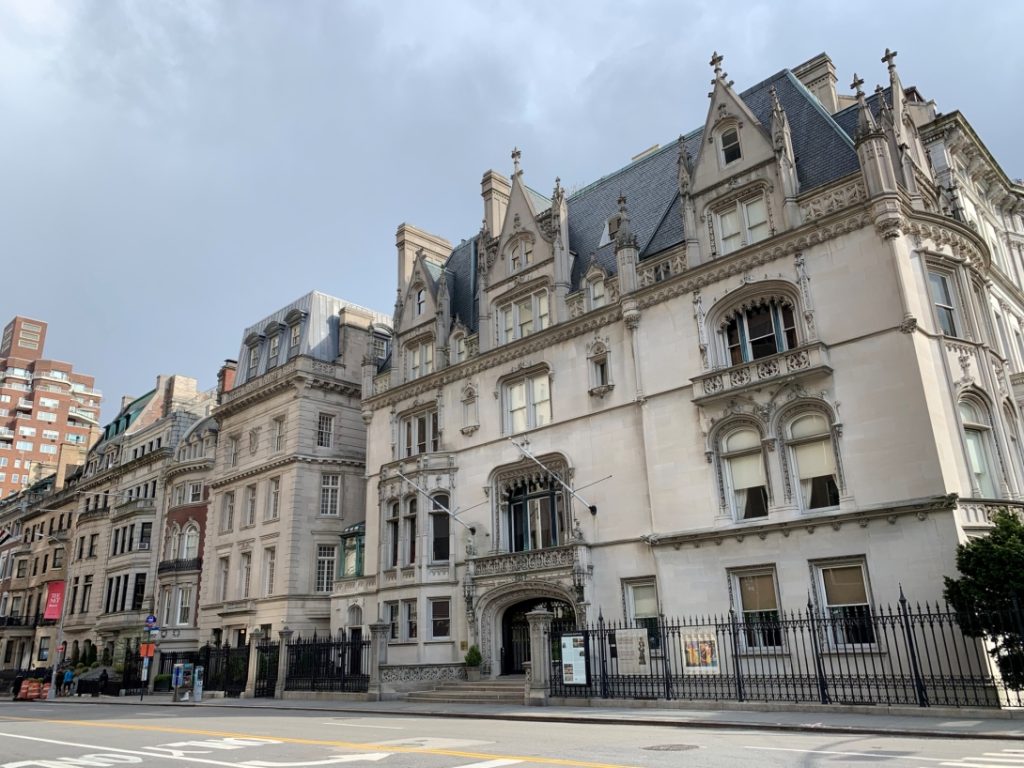

The term “Gilded Age” is used to refer to the period of booming economic growth in the USA in the second half of the 19th century. In New York City this is the period when robber barons like Frick and Carnegie built some of the most extravagant urban palaces the city has ever seen.
Beaux-Arts was the dominant style of architecture in this period, as the greatest American architects from Richard Morris Hunt to Stanford White to C.P.H Gilbert all studied abroad in Paris. These three architects and many others created French châteaux, Italian palazzi, Gothic castles, and Neoclassical mansions in the heart of New York City, and helped give Fifth Avenue along Central Park the cachet it still holds today, as one of the most famous residential neighborhoods in the city.
This tour will walk you past some of the grand residences as I tell you stories of their designers and their owners, as well as the history and scandals of the Gilded Age. If you are a fan of the HBO series “The Gilded Age” then this is the tour for you!
Ladies’ Mile: Shopping in the Gilded Age
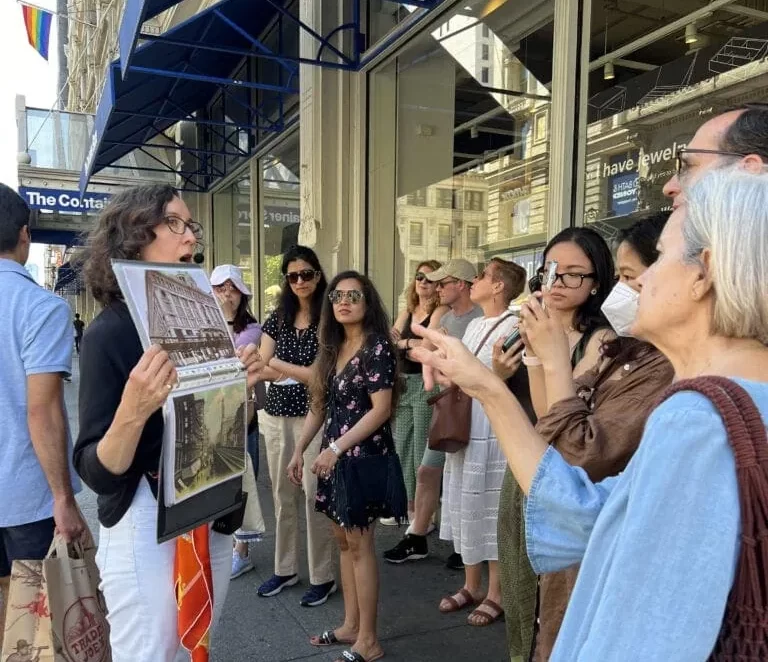
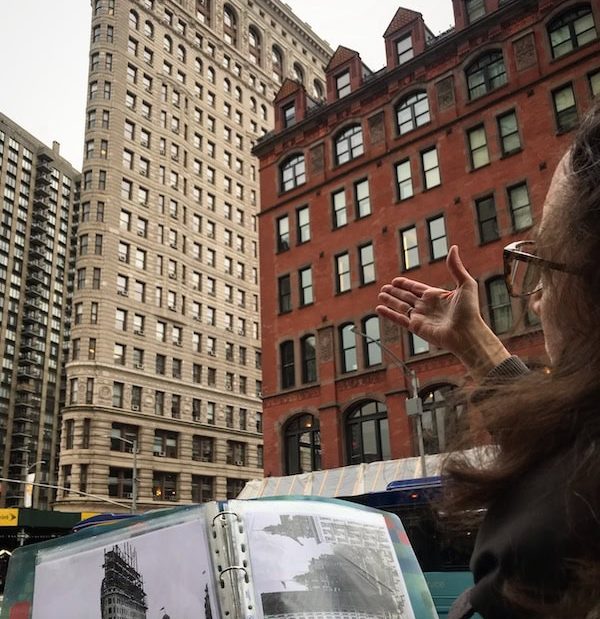
I will show you historical photos and lead you around the neighborhood now known as Chelsea and the Flatiron District to see where wealthy women could shop without male companions, as the “carriage trade” developed in the mid-19th century. Residents of this neighborhood, such as Isabella Stewart Gardner, Edith Wharton, Samuel Morse, and members of the Roosevelt family, would have strolled the streets and shopped in the grand department stores, where every floor was filled with exquisite wares.
The buildings of the Ladies’ Mile district include some of the most important examples of lavish cast-iron architecture in New York City. Great dry goods emporia such as B. Altman’s, Siegel-Cooper, Hugh O’Neill, and Lord & Taylor, were shopping meccas designed to attract customers from all walks of life. These buildings still stand, and while the goods displayed are more prosaic, the grand architecture still elevates our experience today.
This tour will also discuss the development of the department store and shopping as a feminist act – an activity where women were the focus of attention and the drivers of change.
Central Park: Unveiling the Vistas of New York City’s Greatest Work of Art
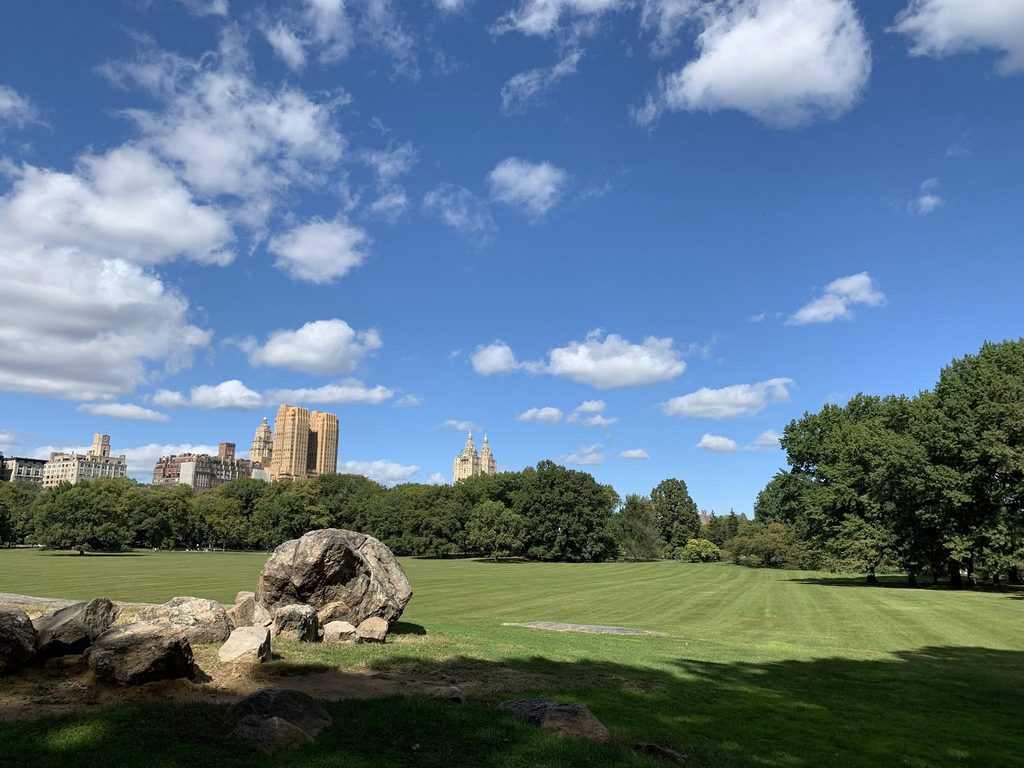
Central Park is the largest surviving piece of open space in Manhattan, but its landscape and scenery are actually artificial, constructed from designs by Frederick Law Olmsted and Calvert Vaux starting in the late 1850s. These elements and many more were assembled to give the visitor a moment of ease and tranquility, far from the frenetic life of the city just outside the park walls.
Central Park is also a fine example of 19th-century ideas about the power of a city’s government and government officials to positively affect the lives of its citizens. We will see how Vaux and Olmsted designed a democratic space for all New Yorkers and visitors, no matter their social or economic status, an essential aspect of the park’s history that still applies today.
This tour focuses on the history, planning, and natural and man-made beauties of Central Park, New York City’s greatest work of art.
Highlights of the World Trade Center: Past, Present, and Future
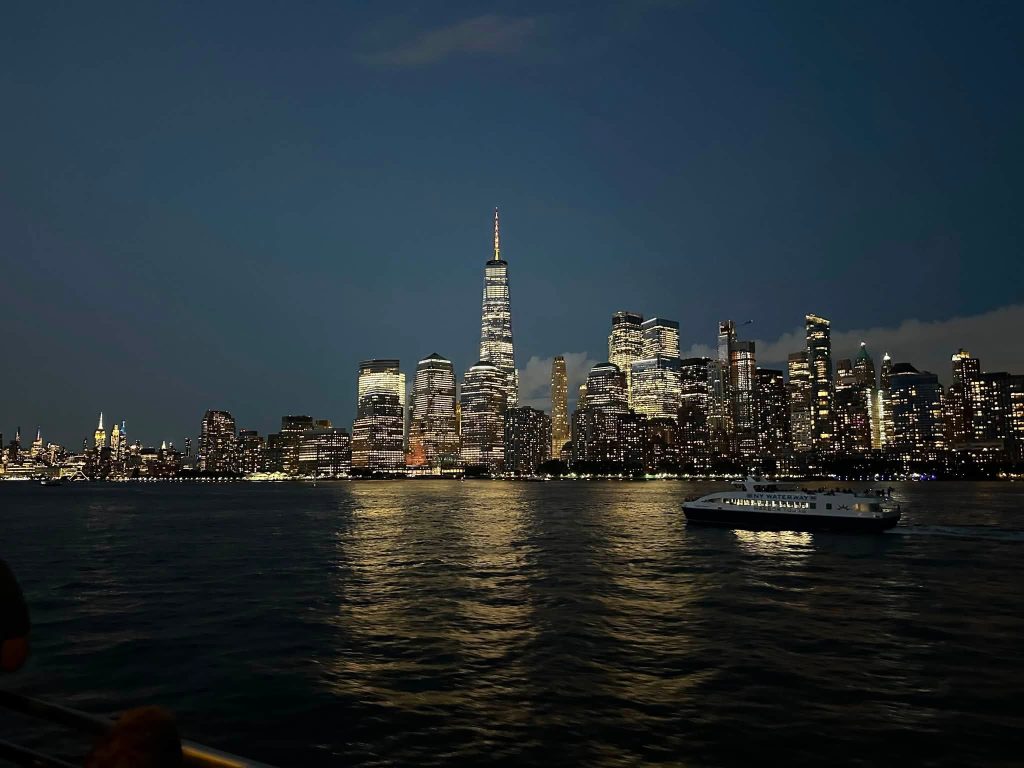
The World Trade Center is one of the most famous and most visited landmarks in New York City. This tour will take you back to the colonial past of Lower Manhattan, including a visit to St. Paul’s Chapel, the oldest building in Manhattan in continuous use. The 18th and 19th century port of New York and shipping along the Hudson River will be explored using historic images and narrative.
The tour will then examine the design of the Twin Towers and the Trade Center in the late 1960s and 1970s and its impact on the topography of Manhattan Island. The tragedy of the September 11th attacks will be explained by a walk through the 9/11 Memorial and the Memorial Glade.
The tour will conclude with walk through the new World Trade Center, including the Oculus, with a focus on One World Trade, its engineering, and its symbolism.
Contact me to book this tour